
Author: Ali Raza

Hi, I’m Ali Raza, based in the United Arab Emirates. I’m passionate about reading, writing, and lifelong learning. By day, I work a full-time job, and on the side, I run a part-time business—both of which fuel my interest in personal finance.

This blog is my space to share finance insights, practical tips, and news I follow, with the hope of helping others make smarter financial decisions.

Sara Agah Franti Expands Soulshine Bali With Bold New Vision

The nurse-turned-entrepreneur grows her Bali retreat with luxury suites, a new restaurant, and a purpose-driven approach to wellness travel.

Sara Agah Franti – Co-CEO Of SoulShine Bali

Sara Agah Franti Expands Soulshine Bali: Nurse-Turned-Social Entrepreneur Grows Purpose-Driven Retreat

Sara Agah Franti, who once worked as an emergency-room nurse, is now leading the expansion of Soulshine Bali, a wellness and music retreat she co-founded with her husband, musician Michael Franti. The latest upgrades include 17 new Panorama Suites, a freshly opened restaurant named “Stay Human” with a playful waterslide, and expanded communal spaces for yoga, music, and gathering. These changes signal a deliberate push to grow the retreat’s capacity and appeal, especially to wellness-minded travelers from the United States.


Background: How Sara Built Soulshine Bali

Sara started her journey in healthcare, working long shifts in the ER before turning toward travel and wellness. In 2011, she and Michael opened Soulshine Bali with just five simple rooms and a yoga shed. It was humble, quiet, and grounded in community and creativity. Over time, Sara’s focus on hospitality and wellness helped the retreat expand slowly, but clearly: more guest space, simple meals, music, and yoga.

It was Sara stepping into a leadership role during the COVID crisis that marked a turning point. In 2020, as tourism crashed, she shifted from marketing ideas to leadership. That year, she managed cash flow, retained staff, and kept operations running while many places shut their doors. By 2023, Soulshine Bali had doubled in size, added new venues like a lounge space called “Togetherness,” and introduced luxurious Panorama Suites with vinyl record players and personalized style touches.


What’s New: The Latest Expansion Details

Now, the latest phase is underway:

  • Panorama Suites: Seventeen modern, well-appointed rooms designed with warmth and style. They include turntables, curated vinyl records, and local artwork, blending comfort, culture, and music.
  • “Stay Human” Restaurant: Focused on healthful, local, plant-forward meals, the dining space includes a lighthearted waterslide and pool club vibe bringing playful energy to wellness.
  • Updated Common Areas: There’s a larger yoga deck, outdoor seating, and expanded “Togetherness” lounge spaces for music sessions and barefoot gatherings.

All of these updates suggest an effort to welcome more guests while keeping Soulshine’s soul intact.

View Of Panaroma Room At Soulshine Bali

Why This Is Financially Significant for U.S. Readers

Investment in Experience: These new features reflect real financial investment, from building costs and design to staff training and upgrades. Solid investment signals confidence that the retreat can earn more per guest and larger group stays.

Revenue Opportunities: Panorama Suites and “Stay Human” open the door to higher-tier pricing. Luxury wellness travelers often pay more for personalized, unique stays. That directly impacts revenue per available room (RevPAR), a critical hospitality metric.

Post-Pandemic Resilience: Many travel businesses struggled to recover. Soulshine, under Sara’s steady leadership, not only survived but thrived. That kind of financial resilience is rare and newsworthy in the sector.

Health-Driven Upscale Travel: Wellness tourism continues to grow fastest among leisure segments. Retreats that mix culture, music, and mindfulness are finding strong demand in the United States market, even at higher price points.

Local Economic Impact: Bali’s tourism economy benefits when boutique resorts invest locally, built by local artisans, staffed by residents, and sourcing food nearby. For socially conscious American travelers, that aligns with values, even as spending goes up slightly.


Timing Is Everything: Why the Expansion Matters Now

Travel picked up again in 2024 and into 2025. As people look for experiences with meaning, places like Soulshine offer more than a stay, they promise emotional and cultural connection. Sara’s expansion taps into the trend of experience-driven travel, where money buys memories not just beds.

US travelers also want reliable quality. Where budget options may still be cheaper, many are willing to pay for brands that offer safety, personal attention, and creative programming. Soulshine’s growth fits that sweet spot: supported by strong values and smart management.


Framing Sara’s Role: From Nurse to Social CEO

Sara’s background matters to this story. Her healthcare training shaped her leadership approach and calmed under pressure, focused, and foregrounding wellbeing. Transitioning from an ER setting to business leadership isn’t common news. It shows a shift from public health to healing vacations.

Her identity as a female co-CEO running a successful retreat business adds another layer. For U.S. entrepreneurs, her journey models how to lead with heart and practical vision. That mix of empathy and enterprise reflects a growing market preference: businesses with purpose and profit.


Simple Financial Indicators to Watch

To gauge how this expansion fares, here’s what you might notice in the next months:

  • Room rates: Are Panorama Suites priced significantly higher? That shows confidence in demand.
  • Occupancy levels: Are new rooms filling fast, or are they slow to book?
  • Guest feedback: Are “Stay Human” and the water feature well-rated? That can drive repeat visits and referrals.
  • Packages and promotions: Are there new retreat bundles or wellness offers aimed at U.S. markets?
  • Revenue growth: If Soulshine shares financials or travelers estimate bookings, upward trends will confirm returns on investment.

Summary: What U.S. Travelers and Investors Should Know

  • Soulshine Bali is growing now, with new suites and restaurant features, led by former nurse Sara Agah Franti.
  • The expansion reflects thoughtful investment, positioning for higher guest yields and premium branding.
  • Sara’s leadership story and the retreat’s growth signal strength and resilience, especially compared to weaker businesses leaving the market.
  • Travelers from the U.S. may see this as a trustworthy, elevated travel choice, one that still honors local culture and wellness.
  • For entrepreneurs and small hotel operators watching from home, this expansion serves as a quietly powerful example of scaling with integrity.


Southwest Airlines Prepares for Global Expansion

Southwest Airlines lays groundwork for overseas routes, seeking approvals and labor deals to boost revenue while balancing costs.

Southwest Airlines Owned Boeing 737

Southwest Airlines Signals Global Push as Talks and Permits Advance

Southwest Airlines is taking formal steps toward flying to more countries. The carrier has begun talks with its pilot and flight-attendant unions about work rules for longer flights and overseas operations. It has also moved to secure broad government authority that would allow it to add international routes under existing Open Skies agreements. No new routes are announced yet, but the actions point to an expansion plan that goes beyond the airline’s current footprint.

The company describes this as early-stage preparation rather than a final decision. The message to employees is that Southwest wants options. If approvals come through and the contracts line up, the airline would be able to act quickly when it sees demand. For now, leadership is setting the table: labor talks, regulatory filings, fleet planning, and network studies.


Why this matters now

Southwest is best known as a domestic, low-cost airline with a simple model. It flies one aircraft family, keeps schedules tight, and has built loyalty with straightforward fares and customer-friendly policies. Expanding internationally would be a major strategic step. It could grow revenue and open new markets. It could also add cost, complexity, and risk.

In plain terms, global flying can bring higher fares and more customers, but it also requires more training, more crew time, stricter rules, and careful planning. The balance between new revenue and new costs is the heart of this story.


What expansion could look like

If Southwest moves ahead, the first wave would likely focus on near-international routes. Think deeper service into the Caribbean, Central America, and northern South America. These flights can be done with the airline’s current narrow-body fleet and existing crew bases. They also fit the brand’s point-to-point network without a big redesign.

A second wave could target longer transatlantic routes. That would be a bigger jump. Longer flights mean more crew scheduling rules, different maintenance plans, new airport agreements, and potentially new aircraft types or new versions of the 737 certified for longer over-water flying. That is why union agreements and government approvals are front and center now. The company is building the legal and labor foundation before it commits to specific routes.


The finance angle in simple words

Airlines make money when they fill seats at good prices while keeping costs under control. International expansion touches both sides of that equation.

  • Revenue side: Longer flights often sell at higher fares. New destinations can attract higher-spending customers, vacation packages, and corporate travelers. Add-ons like extra-legroom seats, early boarding, and bundled fares can lift ancillary revenue. If routes perform well, unit revenue (dollars earned per seat mile) can rise.
  • Cost side: International operations bring higher unit costs (crew pay, training, hotels, fuel planning, dispatch, handling fees, and airport charges). Labor contracts may need premiums for long-haul or overnight work. New planes or leases add capital costs. Misjudging demand can lead to low load factor (too many empty seats), which hurts margins.

The result is simple: international flying can be profitable, but only if the airline manages costs, schedules, and pricing with precision.


Labor talks: the key lever

Pilots and flight attendants are critical in any expansion. International trips can mean longer duty days, more time zones, and different hotel and rest rules. Unions will ask for protections and fair pay for that work. Southwest will seek flexibility to build schedules that fit its network and fleet.

A successful deal would set clear terms for pay, rest, and training. It would also define how many long-haul lines can be built, how reserve crews are used, and how international trips mix with domestic routes. The cost of that agreement will feed straight into the airline’s operating margin.


Fleet and range: what can the planes do?

Southwest flies the Boeing 737 family. That choice gives the company simplicity in training, maintenance, and spare parts. It also sets natural range limits. Narrow-body jets can cover many near-international markets and some mid-range overseas segments, but true long-haul routes are harder. The airline will review:

  • Range and payload: How far a given 737 variant can fly with full seats and bags.
  • ETOPS and over-water rules: Extra safety and maintenance requirements for ocean crossings.
  • Turn times and utilization: Keeping planes productive without pushing crews too hard.
  • Future fleet options: Whether to stick with current types, order longer-range variants, or explore partnerships.

Each choice has a cost. Buying or leasing aircraft raises capital needs. Sticking to current types limits where the airline can go. Partnerships can help, but they add coordination work and revenue-sharing questions.


Airports, slots, and schedules

International growth is not only about planes. It is also about airports:

  • Slots: Many major airports control takeoff and landing times. Getting the right slot at the right hour can decide whether a route works.
  • Facilities: Southwest would need gates that fit its boarding process, space for ground handling, and, if offered: room for premium services.
  • Connectivity: The airline’s point-to-point model avoids large hubs, but longer international flying may benefit from at least some banked schedules to connect flows.
  • Customs and immigration: The airline must ensure smooth arrivals and departures with minimal delays, or the service will frustrate customers.

All of these items show up in the budget. Fees and staffing affect CASM (cost per available seat mile), which investors watch closely.


Demand, pricing, and the U.S. traveler

For U.S. travelers, more international routes from a value carrier could mean new choices. If Southwest keeps its value message strong, customers may see competitive fares to vacation spots and secondary cities. At the same time, demand must be measured carefully. If tickets are priced too low, the routes will not cover costs. If priced too high, customers will look to rivals.

Expect the airline to test markets in phases, watch yield (average fare per mile), track booking curves, and adjust schedules quickly. Southwest’s strength has always been in fast adjustments. That ability will be tested on cross-border routes where schedule changes are harder and coordination takes longer.


What investors will watch

Investors will look for clear milestones:

  1. Labor agreements that define international work rules and cost impacts.
  2. Regulatory approvals that give the airline the legal right to add destinations under Open Skies.
  3. Fleet plan details: delivery timelines, maintenance capacity, and any lease decisions.
  4. First route announcements with early RASM and load factor targets.
  5. Guidance on margins and cash flow as the plan rolls out.

Early routes will likely be measured against internal hurdles. If they hit targets, the airline will add capacity. If they miss, it will pull back and rethink. Clear communication on this “test and learn” approach will help reduce market anxiety.


Risks to keep in view

  • Execution risk: New processes, new rules, and longer flying raise the odds of delays or service issues.
  • Fuel volatility: Long flights expose the airline more to fuel swings; hedge decisions matter.
  • Currency moves: International revenue and costs can shift with exchange rates.
  • Competitive response: Other carriers may match fares or add capacity.
  • Brand stretch: Southwest must expand without losing the trust built on simplicity and value.

None of these risks are unique to Southwest, but they will feel new to a carrier that has grown mainly inside the U.S. Managing them well will decide whether expansion adds steady profit or just bigger headaches.


What this means for households

For families planning trips, the headline is easy: more choice can mean better prices at certain times of year. New routes can cut travel time by avoiding extra connections. But customers should still compare total trip cost, including bags, seat choices, and meals. If the airline experiments with upgraded seating or bundled fares on longer flights, check whether those extras fit your budget and comfort needs.

For small business travelers, added international points from a value carrier could lower travel bills. The trade-off may be fewer daily frequencies than large network airlines. Flexibility will matter.


A realistic timeline

International growth does not happen overnight. Even with approvals and agreements, publishing schedules, setting fares, training crews, and marketing new routes takes months. A practical expectation is a phased rollout: a few near-international additions first, followed by a measured push into longer markets if results are strong.

Southwest is laying the groundwork so that when demand and costs line up, it can move quickly. The careful, step-by-step approach reduces risk and keeps pressure on the numbers instead of on promises.


Bottom line

Southwest Airlines is preparing for a larger world. Labor talks are underway. Government authority is in motion. Fleet and network plans are being shaped. The company is not promising routes yet, but it is building the rights and rules it needs to launch them.

For travelers, that could bring more affordable options to popular destinations. For investors, it sets up a clear test: can the airline translate its simple, value-driven model into international revenue without losing control of costs? The answer will depend on the details—contracts, planes, airports, and, most of all, demand. The next updates from the airline should give a sharper view of timing, first markets, and expected financial impact.

Cracker Barrel Stock Drops $100M After New Logo Sparks Backlash

Cracker Barrel’s bold rebrand caused a sharp stock plunge, erasing nearly $100 million in value. Learn why investors reacted, how branding impacts business, and what this means for the restaurant’s future.

Cracker Barrel New Logo – Courtesy apnews.com

Cracker Barrel Stock Plunges After Logo Change, Nearly $100 Million Lost

In early 2025, Cracker Barrel faced a sharp decline in its stock value after unveiling a redesigned company logo. The popular American restaurant-and-store chain saw nearly $100 million in market value erased as investors reacted negatively to the re brand. The news has sparked conversations about branding, consumer trust, and the financial risks that come with sudden corporate image changes.

What Happened?

Cracker Barrel’s management introduced a new logo in an attempt to modernize the brand and appeal to younger audiences. However, the change did not sit well with many loyal customers and investors. Within hours of the announcement the company’s shares dropped by double digits, wiping out millions in market capitalization.

Why Investors Reacted Strongly

Stock markets often respond quickly to public perception. Talking about Cracker Barrel, the logo was more than just a design as it represented tradition, nostalgia, and a family centered image. When the logo shifted away from that identity, many worried the company was drifting from its roots. This uncertainty led investors to sell shares unfortunately pushing the price lower.

Brand Loyalty vs. Market Value

In the restaurant industry, brand loyalty is one of the strongest financial assets. Customers who grew up dining at Cracker Barrel often felt a strong emotional connection. When that emotional connection is disrupted, it lead to real financial consequences. A weaker brand connection can reduce customer visits, lower sales, and ultimately affect profits.

Rebranding and Financial Risk

Companies often take risks by updating logos, menus, or store layouts to keep up with new generations. In past history shows mixed results, as some re brands bring fresh attention and growth, while others lead to backlash. For Cracker Barrel, the new logo was seen as unnecessary and risky change, causing financial markets to react negatively.

Impact on Everyday Customers

While the drop in stock price mainly affects investors, it can also impact everyday customers. When a company loses value, it may have less money to spend on operations, staff or customer service. If the trend continues, it could also affect store expansion or even menu pricing, which directly touches customers pockets.

Lessons From This Event

  1. Branding Matters: A logo is not just a design, it holds financial weight because it represents customer trust.
  2. Investor Confidence Is Fragile: Markets can shift quickly when companies make bold moves without clear strategy.
  3. Customer Voice Is Powerful: In today’s digital age, social media backlash can spread fast and influence stock prices.
  4. Financial Planning Is Key: Businesses need to test big changes carefully, as poor reception can cost millions.

What It Means for Investors

Investors in Cracker Barrel now face uncertainty. The company will need to reassure markets by proving that the logo change aligns with a larger strategy for growth. If not, the negative perception could continue to hurt share prices in the months ahead.

What It Means for the Restaurant Industry

Other restaurant chains are closely watching this situation. The financial hit shows how sensitive markets can be to branding decisions. Companies considering rebranding may take a slower, more cautious approach after seeing the Cracker Barrel example.

Moving Forward

For Cracker Barrel, the next steps will be crucial. The company must show that its rebrand is more than just a cosmetic change. It needs to connect the new image with better customer experience, stronger financial results, and a clear vision for the future. If leadership can achieve this, investor confidence may return.

Target CEO Brian Cornell Steps Down in 2025: What This Means for Retail and Shoppers

Target has confirmed that long-time CEO Brian Cornell is stepping down in 2025. Learn why this leadership change matters for the company’s future, its financial strategy, and how it could impact prices, shopping and business growth.

Mr. Brian Cornell Former CEO Of Target


In 2025, Target announced that its long-time CEO, Brian Cornell, will step down from his role. This is a big change for one of the largest retail stores in America. Cornell has been the face of Target for years, leading the company through many ups and downs. His decision to leave now raises important questions about what will happen next for the business. People who shop at Target, workers who depend on it for jobs, and investors who follow the company are all watching closely. A leadership change like this can affect prices in stores, future business plans, and even the way Target manages money and growth. In this news story, we break down what happened and why this step matters for the future of the company and the retail market.


1. Who Is Brian Cornell?

Brian Cornell became Target’s CEO in 2014. During his time, he focused on supply chain improvements, digital transformation, store redesign, e-commerce growth, customer loyalty, financial planning and brand image. Under his leadership, Target became more competitive against Amazon and Walmart. His work on leadership vision, innovation strategy, and financial performance helped the company grow even during tough retail times.


2. Why Is He Stepping Down?

The company announced that personal reasons and retirement planning were part of Cornell’s decision. Sources say this leadership change also comes at a time when the retail industry faces economic slowdown, consumer spending pressure, rising inflation, and cost-cutting strategies.

Brian Cornell’s exit has opened questions about succession planning at Target, how the company will handle the executive transition, and what this means for retail challenges in the future.


3. Who Will Replace Him?

A new leadership team will step in, with the board of directors focusing on smooth transition, organizational stability, leadership continuity, shareholder confidence, and operational performance. Investors are watching how the new CEO, new strategies, and new financial roadmap will affect Target’s stock price, growth forecast, and competitive edge.

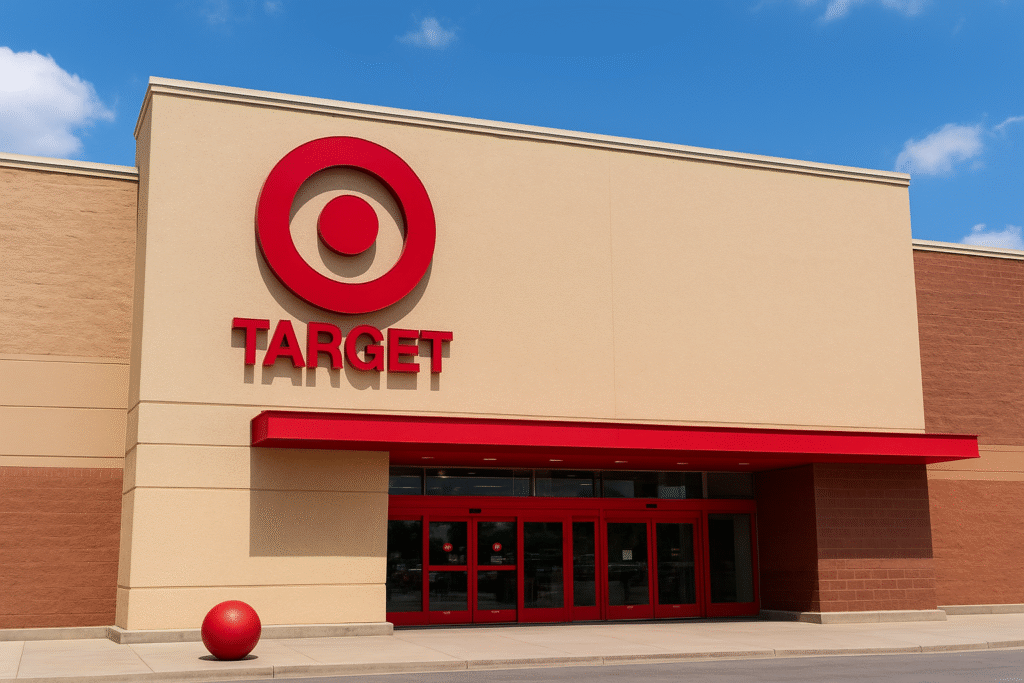
Target Store Prototype created by AI

4. What Does This Mean for Investors?

When a CEO steps down, investors often feel uncertain. Stock market reaction, investor confidence, share price movement, earnings outlook, dividend policy, and long-term growth potential all depend on how the new leadership performs.

Some experts believe this change could bring fresh innovation, updated financial strategy, and stronger digital operations, while others fear it could mean short-term volatility, lower sales forecasts, and market risk.


5. What Does This Mean for Shoppers?

For everyday shoppers, the leadership transition may affect:

  • Pricing strategy – how Target sets product prices.
  • Supply chain management – making sure goods are available.
  • Store experience – keeping the shopping journey easy and affordable.
  • E-commerce platform – online sales, delivery, and customer service.

Cornell’s exit also raises questions about how Target will handle consumer demand, keep brand loyalty strong, and adapt to changing shopping behavior. The company’s approach to discount strategy, product innovation, digital growth, retail technology, and operational efficiency will play a big role in shaping the customer experience going forward.


6. Financial Challenges Ahead

Target, like other retailers, faces inflation, wage pressure, supply chain disruptions, changing consumer behavior, and increased competition from online platforms.

The new leadership must focus on:

  • Revenue growth and profitability
  • Operating margin improvement
  • Cost management
  • Long-term financial health
  • Innovation in business model

7. Lessons for Small Businesses

Even if you don’t own a retail giant, small business owners can learn from this news:

  • Succession planning is important.
  • Strong leadership vision helps during tough times.
  • Financial management is key to survival.
  • Adapting to consumer needs keeps a business relevant.
  • Innovation and digital focus matter even in traditional industries.

8. The Bigger Picture

Brian Cornell’s decision to step down reflects how the retail industry is changing in 2025. This leadership transformation comes at a time when the global economy is uncertain, retail competition is rising, and many companies are shifting their business strategies. For Target, the move connects to bigger issues such as financial decision-making, corporate culture, executive leadership, risk management, and future planning.

This story is not only about one man leaving a top job—it’s about how businesses evolve, adapt, and prepare for the future.

Conclusion
The news of Target CEO Brian Cornell stepping down is more than just a leadership change. It is a reminder that financial planning, leadership vision, and adaptation to market changes are key in both big corporations and small businesses. For investors, shoppers, and employees, the coming months will show how Target manages its leadership transition, financial stability, and customer trust.

In simple words: Target is starting a new chapter. How well this chapter is written will decide the future of the brand, the prices we pay and the way we shop.


Air Canada Flights Resume 2025: Refunds, Rebooking, and Flight Price Outlook for Travelers

Air Canada flights are back after a union pay deal. Learn what this means for refunds, rebooking, and future ticket prices in 2025. A simple money guide for travelers.

Air Canada Flights Resume: What Travelers Need to Know About Refunds, Rebooking, and Prices in 2025

Air Canada has confirmed that flights will start moving again after the airline reached a pay deal with its worker’s union. This is a big news for thousands of travelers who were stuck or worried about canceled flights in the past days. While the strike created stress and delays, the new deal means planes will soon be back in the air. Perhaps for passengers the main question remains, what does this mean for your money?

In this simple guide, we explain what travelers should know about refunds, rebooking, ticket costs, and how this labor deal might affect future flight prices.


Why Air Canada Flights Were Stopped

The airline’s workers had been asking for better pay and working conditions. When no deal was reached on time, flights were disrupted. Many people had to cancel trips, wait in airports, or pay more to book with other airlines.

Now that a new deal is signed, normal service is returning. In Regards to passengers, the strike period created financial stress from canceled vacations to lost business trips.


Refunds: What Travelers Can Expect

If your Air Canada flight was canceled because of the strike, here’s what you need to know:

  • Full refunds are available for flights if the airline canceled and you chose not to rebook.
  • Refunds usually go back to the original form of payment (credit card, bank, travel agent).
  • Processing time can take several days or weeks, depending on your payment method.

💡 Tip: Always check your booking email or Air Canada’s website for refund updates. Save all receipts and confirmation numbers in case you need to follow up.


Rebooking Flights After the Deal

If you still want to travel, Air Canada is letting passengers rebook without extra fees in most cases.

  • Travelers can usually rebook for another date without paying a change fee.
  • If the new ticket is more expensive, you may have to pay the difference in fare.
  • Some travelers may also qualify for travel vouchers instead of refunds.

This is good news if you had to delay your travel plans and still want to fly soon.


Extra Costs Travelers Faced During the Strike

The strike was not just about flights, hence it was also about people’s money. Many passengers had to pay for:

  • Extra hotel nights
  • Last-minute tickets with other airlines (often more expensive)
  • Food and transport costs while waiting

These expenses show why it’s important to plan ahead with a travel budget and keep an emergency fund.


How the New Union Deal May Affect Flight Prices

When airlines agree to higher pay for staff, operating costs can increase. Over time, this can lead to higher ticket prices for travelers.

  • Short term: Air Canada may keep fares stable while winning back customer trust.
  • Medium term: Flight costs could rise slightly as new wages are included in the airline’s budget.
  • Long term: If fuel prices and wages both increase then tickets may become more expensive across North America.

For budget travelers, this means keeping an eye on deals and booking early is even more important in 2025.


What This Means for Travelers’ Budgets

For many families, flight delays or cancellations can shake up their finances. Here are some lessons from this event:

  1. Always have a backup plan – keep some money set aside for emergencies like extra hotel nights or rebooked tickets.
  2. Book with credit cards that include travel protection – many cards refund extra costs if a strike disrupts travel.
  3. Track your refunds carefully – never assume the money will just arrive instead keep checking your account.
  4. Be flexible with dates – shifting your trip by a few days can save hundreds.

Will Other Airlines Be Affected?

Air Canada is not the only airline facing worker disputes. In recent years, airlines worldwide have seen strikes and union talks. This is because the aviation industry is still recovering from the pandemic and the staff are asking for better pay as travel demand grows.

For travelers, this means labor strikes might happen again. Not just in Canada, but globally. Knowing your passenger rights and refund options will save money in the future.


Smart Money Tips for 2025 Travelers

If you are planning a trip in the coming months, here are some money-smart steps:

  • Book early: Fares are lower months before your travel date.
  • Use fare alerts: Many websites can send you messages when prices drop.
  • Choose flexible tickets: They cost a little more but save money if plans change.
  • Travel light: Avoid extra baggage fees by packing only what you need.
  • Check union news: Staying updated on airline news can help you avoid travel chaos.

The Bigger Picture: Travel Costs in 2025

Experts say travel demand is still strong in 2025. People want to fly after years of restrictions, and this keeps prices up. With labor costs rising, airlines may raise fares even more in the coming year.

For everyday travelers, this means being smarter with money is not just helpful, it’s necessary. Budget planning, flexible bookings, and tracking deals can make a big difference.


Final Word

Air Canada’s pay deal means flights are taking off again, bringing relief to many passengers. The strike also showed how quickly travel plans and budgets can be disrupted.

For travelers, the key lessons are clear: always know your refund rights, keep money aside for emergencies, and plan travel expenses wisely. As 2025 continues, smart money habits will help travelers face not just airline strikes, but all the changes happening in global travel.

How to Start a Business With No Experience in 2025

Step-by-step guide to starting a business with no money or skills. Learn simple ways to plan, validate, and grow your first business in 2025.

Starting a business with no experience is possible in 2025. You don’t need a big budget or a degree. You need a simple plan, a real problem to solve, and the first few customers. The steps below are clear, short, and easy to follow.


1) Pick one simple problem to solve

Look around your home, work, or area. What do people keep saying is a headache? Cleaning, basic fixes, tutoring, pet help, delivery, organizing, simple digital help, just pick one small problem. A business starts when you solve one clear problem for one type of person.


2) Write a one-page plan

In one page answer: who you help, what you do, how much you charge, how people find you, and what success in 30 days looks like. Keep it short so you can start fast.


3) Validate before you spend

Talk to 10 people who match your customer. Ask about their problem, budget, and what “done” looks like. Make a basic page or flyer and ask for a deposit or a pre-order. If two or three people pay, you have proof. If not, tweak the offer and try again.


4) Start with a low-cost model

Service work is the fastest way to start with little money. You can use skills you already have and learn the rest on the job. Product ideas take longer so keep Service first, the product later if you want.


5) Choose a legal setup (US)

Start as a sole proprietor if you’re testing, or set up an LLC for protection. Get an EIN (free) and open a business bank account to separate money. Further, check city/state rules for any license.


6) Pick a clear name and simple brand

Choose a name people can spell. Make a clean logo (can be just your name in bold text). Use the same look on your page, invoice, and email. Clarity beats fancy.


7) Build a basic home online

Make one page that says: who you help, what you do, price or price range, how to book, and 2–3 short reviews once you have them. Add a contact form or message link. Keep it fast and simple.


8) Price with a tiny ladder

Start with three price Categories: basic, standard, premium. Most people pick the middle one. Make the middle plan the best value. Review your time and costs after your first five jobs and adjust.


9) Win your first 10 customers

Tell friends, family, neighbors, and past coworkers. Post in local groups but make sure to follow rules. Knock on doors or DM politely with a simple script.


10) Market with free, simple moves

Share before/after photos, quick tips, and short stories of wins. Ask happy clients for a one-line review. Set up your business profile on Google if you serve a local area. Keep posting once or twice a week.


11) Track money from day one

Use a simple spreadsheet to Log income, costs, and cash on hand. Make sure to save for taxes. Know your break-even number.


12) Keep your day job (if needed)

You can start on evenings or weekends. Block 6–10 hours per week. When your new business pays your basic bills for three months, then think about moving full-time.


13) Be legal and safe in your content

Do not make false income claims. Do not target or exclude people unfairly. Be honest, clear, and kind in ads or posts, perhaps strictly follow platform rules.


14) Improve every week

After each task is done then take feedback: what went well, what broke, what to fix. Write tiny checklists for repeated tasks then raise your main price once you’re booked out two weeks. Reinvest profits into better tools and learning.


15) Grow with proof, not hope

Add one new service or a small product only after the first one is steady. Keep listening to customers. What do they ask for again and again? Build that.

Corvette CX Concept Price: GM’s $200K Supercar That Could Change Finance

GM’s Corvette CX concept wowed Monterey Car Week. Experts predict a $180K–$220K price tag. What does it mean for car buyers, investors, and GM stock?

1. GM’s Big Show in Monterey—And Why It Matters to Your Money

Picture this: GM shows off a car so cool and futuristic that people at Monterey Car Week can’t stop talking. It’s called the Chevrolet Corvette CX Concept, a shape like a shark, smooth and shiny, with electric power and digital screens inside. It looks like a dream. Perhaps the news isn’t about how fast it goes—it’s about how much it could cost, and what that means for budgets, investments, and anyone watching car prices.


2. Why the Corvette CX Isn’t Just a Pretty Picture

This car is more show than go, it’s a “concept,” like a drawing in 3D. GM is showing us the future, not selling it today. Still, investors and buyers pay attention when a company teases something this exciting. They’re thinking If GM can build something this cool, maybe their other cars will be worth more too. That can move GM’s stock price. If they actually make a version of it, that could sell fast for a lot of money.


3. How Much Could This Car Cost? Let’s Break It Down

GM hasn’t said a number yet. But people who crunch the numbers guess it could cost between $180,000 to $220,000 if one is ever made. That’s way more than a regular Corvette, which starts around $60,000. Here’s how we get there:

  • Special battery and motors (for lightning-fast speed): maybe $60K–$100K.
  • Fancy carbon-fiber body, light but expensive: $50K–$100K.
  • Digital dashboards, glass roofs, special parts: $40K–$80K.
  • Small batch production, testing, safety checks: add $40K–$80K more.

All that adds up to the $180–220K range. And if GM makes even fewer, say 50 to 100, it could be priced higher, perhaps up to $300,000 or more, depending on demand and collector interest.


4. Why This Matters to Everyone (Not Just Car Nerds)

You might wonder: “I’m not buying a $200K car—why should I care?” Well, here’s why:

  • Road Price Trends: If GM starts selling more expensive Corvettes, the price for all Corvette models might go up. That matters if you’re shopping for a family car down the line.
  • Investment Value: Rare cars sometimes go up in value. People who buy limited Corvettes have seen them increase by 30–60% after a decade. If the CX becomes rare, it might be a smart thing to own.
  • Jobs & Supplier Boost: Building this car means jobs in factories, parts makers, and dealers. That’s economic benefits that ripple out.
  • Stock Watchers: Investors track these big reveals. If GM looks exciting, its stock could climb, even if the actual car doesn’t arrive soon.

5. How It Compares to Other Supercars

Let’s compare in simple terms:

Car ModelEstimated Price
Regular Corvette$60,000
Corvette CX Concept (speculated)$180,000–$220,000
Ferrari / McLaren (supercars)$300,000–$600,000+

So, the Corvette CX could sit between your everyday high-end car and full-blown supercars. still it’s expensive, but maybe surprisingly “affordable” in that realm.


6. How People Could Pay for It

If someone’s serious about buying one, here’s how they could manage:

  • Loan or auto financing : like a house, but with higher payments.
  • Lease : pay monthly, give it back, maybe add fees.
  • Fractional ownership : a group splits the cost, each gets time in the car.

Simply put, even rich people use money tools to afford luxury cars.


7. What About Resale—Could You Flip It for Profit?

Maybe. Here’s how:

  • If just a few are made, they will become rare.
  • Car collectors want rare and beautiful machines.
  • After a few years, value could rise up to maybe $250K–$400K, depending on condition and demand.
  • That means someone might buy it partly as a collectible and ride it a little.

8. GM’s Investment in the Future (Brand Power)

Showing off the CX isn’t just about one car. it’s about brand identity:

  • It tells people GM can make something that rivals Ferrari or McLaren.
  • It builds excitement for future electric Corvettes.
  • It helps GM sell more of its lineup, at higher prices.
  • It boosts GM’s image, which can pay off in sales and stock performance.

9. Why This Headlines Matters?

Even if you’re not buying a car soon, this represents a shift:

  • Luxury and electric are merging, even at big brands like Chevrolet.
  • Our idea of a “performance car” is changing to electric, digital, smart.
  • The price tags are climbing fast which is making this a finance story, not just a motor story.

10. The hot news

  • GM showed a wild new Corvette concept, called the CX.
  • It’s fancy, electric, and not for sale yet but wow, what if it is?
  • Experts guess it could cost $180K–$220K, maybe more.
  • That impacts how we think about Corvette pricing, car investments, and GM’s direction.
  • It might even grow in value while making it part car or part collectible.
  • This is more than a showpiece as it’s a financial signal.

IRS Stimulus Buzz

IRS Denies $1,390 Stimulus Checks for Summer 2025 — What Americans Need to Know

n recent weeks, headlines and social media posts have sparked a wave of excitement claiming that the IRS is preparing to send out $1,390 stimulus checks to millions of Americans this late summer. Many people rushed to find out if they were eligible for these supposed payments, hoping for much-needed relief in today’s tough economy.

But here’s the truth: the IRS has confirmed that no such stimulus checks are being issued in summer 2025. While the topic is trending online and fueling discussions, it’s important to separate fact from fiction. Let’s break down where the rumor came from, what the IRS has actually said, and what Americans should really know about financial relief in 2025.


1. How the $1,390 Stimulus Check Rumor Started

The story of the so-called $1,390 IRS checks didn’t come out of thin air. Several misleading articles and viral posts circulated online, making it seem as though the government had approved another round of direct payments. Some headlines even used wording like “IRS confirms” or “late summer payout,” creating confusion for readers.

This misinformation spread quickly on platforms like Facebook, TikTok, and YouTube, where financial rumors often gain traction. Many Americans, still feeling the aftereffects of inflation and rising costs, were naturally eager to believe help was on the way.

However, these claims were not based on any official announcement. In fact, the IRS has directly clarified that no new economic impact payments are being issued at this time.


2. Why People Believed the Rumor

There are two main reasons why the rumor gained so much attention:

a) The Recovery Rebate Credit (RRC)
Earlier in 2025, the IRS distributed billions of dollars through the Recovery Rebate Credit, which allowed people who missed earlier COVID-era stimulus checks to claim payments of up to $1,400 per person. Those payments were real—but the program closed on April 15, 2025.

Because that program was so recent, many people assumed the new $1,390 figure was connected, even though the IRS has made it clear that the rebate is no longer available.

b) Political Proposals Misunderstood
Around the same time, lawmakers floated ideas for future relief measures, such as the American Worker Rebate Act, which proposed direct tax rebates funded by tariffs. While that bill made headlines, it has not been passed into law. Some websites used this to suggest new checks were guaranteed, which is simply not true.


3. What the IRS Has Officially Said

The IRS has been very clear:

  • No new stimulus checks have been approved.
  • No $1,390 payments will be distributed this summer.
  • The Recovery Rebate Credit deadline has already passed, and no extensions are available.
  • Any future stimulus payments would require Congressional approval before the IRS could take action.

This means that unless new legislation is passed in Washington, Americans should not expect surprise deposits from the IRS.


4. The Legal Process Behind Stimulus Payments

It’s helpful to understand how stimulus checks actually work. Contrary to viral rumors, the IRS doesn’t decide on its own to send out money. Here’s the process:

  1. Congress passes a law authorizing relief payments.
  2. The President signs the bill into law.
  3. The Treasury Department and IRS distribute the funds.

During the pandemic, this process happened several times, which is why millions received direct deposits quickly. But without new legislation, the IRS cannot issue fresh payments.


5. Common Myths and Misconceptions

Since the rumor started, several myths have circulated. Let’s clear them up:

  • Myth 1: “Everyone will get $1,390 this summer.”
    Fact: False. No payments are approved.
  • Myth 2: “The IRS already confirmed the checks.”
    Fact: False. The IRS has denied the rumor directly.
  • Myth 3: “This is connected to the $1,400 stimulus.”
    Fact: The Recovery Rebate Credit is over. This rumor is unrelated.
  • Myth 4: “Social Security and SNAP recipients will automatically qualify.”
    Fact: No payments are planned, so no eligibility rules exist.

6. Why These Rumors Are Risky

Beyond disappointment, these rumors can actually cause harm:

  • Scams: Fraudsters often take advantage of trending topics. Fake emails, texts, or calls may claim you need to “verify your information” to receive a check. Remember: the IRS does not contact taxpayers this way.
  • False Hope: Many families plan their budgets based on news of relief. Relying on inaccurate information can lead to financial setbacks.
  • Misinformation: Viral content spreads quickly, making it harder for people to know what’s real.

This is why the IRS urges Americans to rely only on official updates.


7. What Relief Programs Are Actually Available in 2025

Even though no new federal stimulus checks are being issued, there are still ways some Americans can find financial support:

  • Tax Credits: Families may qualify for the Child Tax Credit or Earned Income Tax Credit.
  • State Programs: Some states continue to offer targeted relief, rebates, or tax refunds.
  • Social Programs: Benefits like SNAP, Medicaid, and housing assistance remain available for eligible households.

Checking directly with state government websites and IRS.gov ensures you get accurate information.


8. Frequently Asked Questions (FAQs)

Q: Will I get $1,390 this summer from the IRS?
A: No. The IRS has confirmed there are no payments scheduled.

Q: What about the $1,400 stimulus I heard about?
A: That was part of the Recovery Rebate Credit, which ended in April 2025.

Q: Could new checks be approved later this year?
A: Only if Congress passes a new law. As of now, no such bill has passed.

Q: How can I avoid scams?
A: Ignore calls, emails, or texts claiming to be from the IRS. Always check IRS.gov for official updates.


9. How to Stay Updated

The best way to stay informed is to:

  • Visit IRS.gov for official announcements.
  • Follow credible news outlets.
  • Be skeptical of viral posts that don’t cite reliable sources.

This ensures you get facts—not rumors.


Conclusion

The excitement around a new $1,390 stimulus check may have sparked hope, but the reality is simple: no such payments are coming in summer 2025. The IRS has denied the claims, and without new action from Congress, no stimulus checks can be issued.

While the misinformation wave may continue online, Americans are best served by staying alert, avoiding scams, and relying on official updates. Financial relief programs still exist, but they are not the same as a brand-new stimulus payout.

For now, the takeaway is clear: be cautious, stay informed, and don’t let viral rumors shape your financial decisions.

Expense Rule

The 6 Expenses That Quietly Eat Your Salary (And How to Take Control)

If you’ve ever wondered why your bank account feels lighter just days after payday, you’re not alone. Many people in the USA, UK, Australia, and beyond struggle with the same issue — hidden expenses that slowly drain your income without you even noticing.

The good news? You can cut expenses fast, keep more money in your pocket, and still enjoy life. In this guide, we’ll uncover six common expenses that quietly eat your salary and give you practical budget tips to take back control.


1. Unused Subscriptions and Memberships

From streaming platforms to gym memberships, many people keep paying for services they barely use. A $15 subscription here and a $20 membership there might not feel like much — but over 12 months, these small charges can cost you hundreds of dollars.

How to Take Control:

  • Audit Your Accounts: Once a month, review your bank and credit card statements for recurring charges.
  • Cancel or Pause: If you haven’t used a service in the last 30 days, cancel or pause it.
  • Use Bundles: Consider family or multi-service bundles to reduce costs.

Example Savings:
Cutting three $15/month subscriptions = $540 saved per year.


2. Frequent Dining Out

Eating out occasionally is fine, but regular takeaways, lunches at work, and coffee runs add up fast. A $12 lunch three times a week means over $1,800 a year spent on just midday meals.

How to Take Control:

  • Meal Prep: Cook meals at home in bulk — not only is it cheaper, but it’s also healthier.
  • Coffee at Home: Swap your daily $5 latte for a home-brewed cup.
  • Limit Eating Out: Save restaurants for special occasions.

Quick Tip: If you love dining out, set a monthly “fun food” budget and stick to it.


3. Impulse Online Shopping

Thanks to one-click checkout and endless sales notifications, it’s easy to overspend online. Many buyers regret these purchases, and often, items end up unused.

How to Take Control:

  • Unsubscribe from Promotional Emails: Reduce temptation.
  • The 24-Hour Rule: Wait a day before making a non-essential purchase.
  • Create a Wish List: Keep items in a cart for a month before deciding.

Example Savings: Avoiding just one $50 impulse buy per month saves $600 annually.


4. Luxury Upgrades You Don’t Need

We all enjoy treating ourselves, but upgrading gadgets, clothes, or cars too often eats away at savings. This is known as lifestyle creep — when spending rises as your salary grows.

How to Take Control:

  • Set Upgrade Intervals: For example, upgrade your phone every 3 years, not every year.
  • Buy Pre-Owned or Refurbished: Often just as good, at a fraction of the cost.
  • Prioritize Function Over Status: Choose items based on need, not brand hype.

5. Paying Full Price for Everything

If you’re not hunting for deals, using coupons, or shopping sales, you’re leaving money on the table. Many people overspend simply because they don’t compare prices.

How to Take Control:

  • Use Price-Comparison Apps: Tools like Honey or CamelCamelCamel help find discounts.
  • Shop Off-Season: Buy clothes and travel tickets during clearance periods.
  • Loyalty Programs: Join store rewards programs for cashback or points.

Quick Tip: Always search “discount code” before buying online.


6. High Bank Fees and Interest Charges

Bank account maintenance fees, ATM withdrawal charges, and credit card interest can drain your salary without you noticing.

How to Take Control:

  • Switch to Low-Fee Accounts: Many banks offer no-fee options.
  • Pay Credit Cards in Full: Avoid high interest by clearing your balance monthly.
  • Avoid International ATM Fees: Use bank-approved networks or digital wallets.

Example Savings: Paying off a $1,000 credit card balance that charges 20% APR can save you over $200 a year in interest.


Step-by-Step Checklist: Cut Expenses Fast

  1. Track Every Expense for 30 days.
  2. Highlight Non-Essentials you can reduce or cut.
  3. Cancel or Downgrade Subscriptions you rarely use.
  4. Set Weekly Spending Limits for dining and entertainment.
  5. Use Cash for Discretionary Spending to avoid overspending.
  6. Review and Repeat Monthly — small changes add up.

Budget Template to Keep You on Track

CategoryMonthly LimitActual SpentDifference
Housing & Bills$1,200$1,180+$20
Food & Dining$400$350+$50
Transportation$250$220+$30
Subscriptions$50$30+$20
Savings & Goals$500$500$0
Total Savings$120

Final Thoughts

The path to personal financial growth isn’t about cutting all joy from your life — it’s about identifying and controlling the expenses that offer little value in return. By taking charge of the six common expenses that quietly eat your salary, you can save from your salary, reduce financial stress, and put more toward your future goals.

Small, consistent changes compound into big results. Start with one or two areas this month, and by the end of the year, you might be surprised at how much more you’ve saved.


Money & EMI

Once, on the 28th of a tight month, I held an EMI reminder in one hand and a takeout receipt in the other. My salary felt smaller by the minute, not because I earned less, but because I hadn’t noticed my small habits adding up. If you’re looking for tips online while managing high monthly EMIs, this short, practical guide is for you. Small choices today create breathing room tomorrow.

1. Track Every Expense (even the small coffee) 

Write down every payment for one month: EMIs, groceries, snacks, subscriptions. Tracking reveals where your money leaks away; that daily café latte adds up. Recent surveys show that salaried individuals in India often spend over a third of their income on EMIs, making tracking essential to identify where you can cut back. 

2. Prioritize and Rework Your Debt  

List your loans by interest rate and outstanding balance. Talk to lenders about restructuring or consolidating to lower your monthly payments. Many consolidation programs claim you can save 20-25% on your EMI burden if you qualify. Always read the terms before making a switch.

3. Start Cooking at Home (big savings, small effort)  

Eating out or ordering food is convenient but expensive. The average home-cooked meal costs about $4-5, while dining out often costs over $16-20. Cooking at home a few times a week can free up a large part of your monthly budget. Meal prep on weekends and reuse ingredients to maximize your savings.

4. Build a Lean Monthly Budget (EMI-first rule)  

Use a simple rule: allocate fixed EMIs first, then essentials, then savings, and finally your wants. Cut or pause non-essentials like streaming services or unused subscriptions. Put those small savings towards an emergency fund; this will help you avoid taking on new high-interest debt later. You can adapt budget frameworks like 50/30/20 to keep EMIs manageable within your needs.

5. Add a Small Side Income or Sell Unused Stuff  

Even a modest side hustle or freelance job can cover one or two EMIs. Selling things you no longer use can give a quick boost to your emergency fund or let you make extra payments on your loans.

Conclusion  

Managing expenses while dealing with heavy EMIs isn’t about harsh deprivation. It’s about making smart choices: track carefully, reduce your interest burden, cook more, budget wisely, and find small ways to earn extra income. Each small step helps create space to breathe; delaying only makes things tougher. Will you make the first change today?

Page 5 of 5